Sensory play: Learning through touch, sight, sound and movement
Updated: Jul 29

Key points:
Sensory play helps children use their senses to explore, learn, understand their world, and regulate their emotions
Toy libraries can support sensory play at home with a variety of toys and resources
Sensory play can be adapted to suit every child’s interests, abilities, and comfort levels. There's no ‘right’ way.
On this page
(click on headings below to jump to section)
↓ Sensory play and toy libraries
↓ Cleaning up can be part of the play
Download resource as PDF
What is sensory play?
Sensory play is any activity that engages one or more of a child’s senses. Through these sensory experiences, children explore, experiment, and make sense of the world. Sensory play can be as simple as splashing in water, digging in sand, shaking a musical instrument, or balancing on playground equipment. It’s often called “messy play” because exploring textures and materials naturally leads to hands‑on, sometimes messy fun.
Benefits of sensory and messy play
It can be calming
Sensory play can have a naturally calming effect on children. Sensory play encourages repetitive actions like pouring, stirring, squeezing, or scooping, which can help children regulate emotions and feel more grounded. By engaging the senses through touch, movement, or sound, sensory play supports the nervous system in a soothing, playful way.
It’s open‑ended
Unstructured play is a powerful way for children to learn through exploration, discovery, and hands-on experiences. Sensory activities encourage imagination, experimentation, problem‑solving, and critical thinking because there’s no “right” way to explore.
It’s adaptable
Sensory play can be tailored to any age or ability. Some children love diving into messy textures, while others prefer slow, gentle exploration. Start small if your child is hesitant and build up gradually. Involving them in choosing materials can increase comfort and confidence. Remember, children don't always need to touch or join in straight away, watching is part of learning too.
It supports language and learning
Sensory play naturally introduces rich descriptive language. Words like soft, smooth, rough, crunchy, cool, warm, noisy, or quiet help children express what they feel and observe. These activities also build fine motor skills, coordination, and early scientific thinking.
Sensory play and toy libraries
Toy libraries are wonderful places to find inspiration and equipment for sensory play. Here are some items you might borrow and suggestions on how to use them:
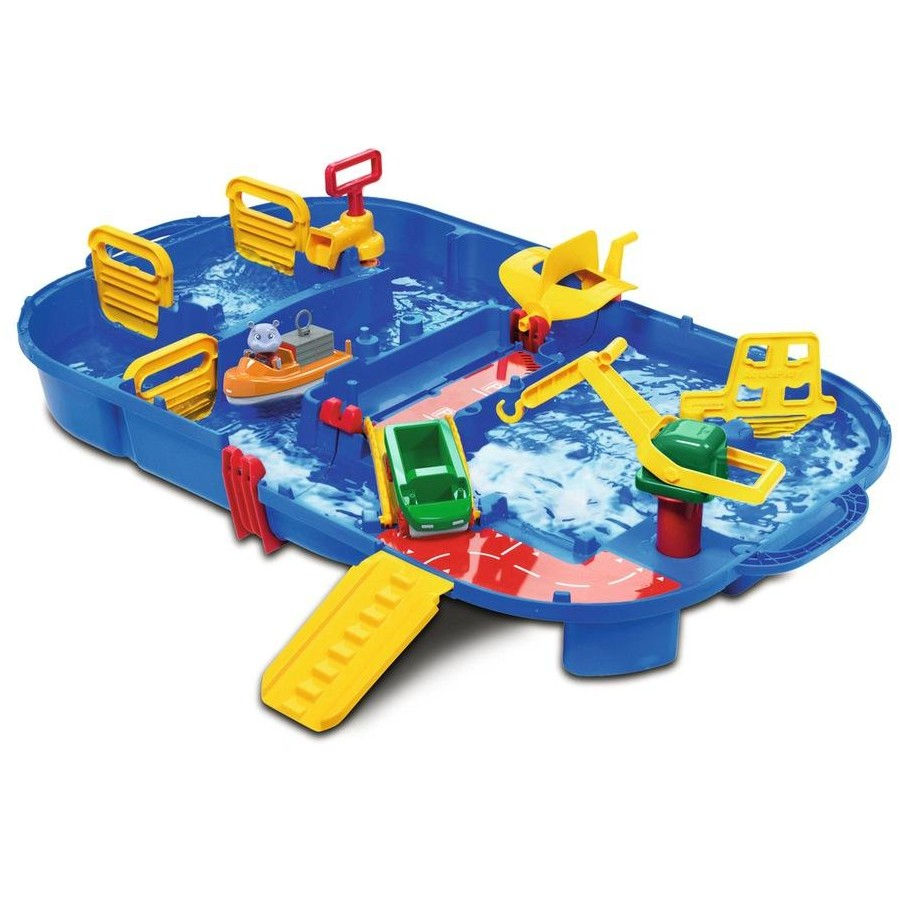
Water tables
Perfect for warm weather. Add ice for cool sensory play or soap for bubbles.
Tuff trays / messy play trays
Great for containing messy activities. Try Oobleck (cornflour and water), coloured water, or nature items like rocks, sticks, and leaves. Add small toys to create imaginative small worlds.
Musical instruments
Bells, rainmakers, drums, and marble trees offer sound‑based sensory experiences for children who seek rhythm and noise.
Silks, ribbons and capes
Encourage movement, colour exploration, and imaginative play as children watch the fabric float and swirl.

Gross motor toys
Stepping stones, balance boards, tunnels, climbing frames, and ride‑on toys support vestibular and proprioceptive development that are key for balance, coordination, and body awareness.
Sorting bowls, tweezers and textured counters
Ideal for fine motor skills and for children who find sorting and categorising calming.
Ball runs
Encourage children to explore cause and effect as they watch balls roll, spin, and race through tracks. Ball runs support problem-solving, visual tracking, fine motor skills, and early engineering thinking.
Cleaning up can be part of the play
When returning borrowed toys, turn the cleaning process into a sensory activity of its own. Warm soapy water, cloths, and brushes can become a car wash, dinosaur bath, or underwater block scrub. Just check any cleaning instructions on the toy’s label.
Sensory play doesn’t need to be complicated or overwhelming. With a little creativity and the support of the local toy library, families can create meaningful, engaging experiences that nurture children’s development through play.
Further reading and resources
Joint play (baby & caregiver)
In this video, physiotherapist and Ocean Grove Toy Library volunteer Khyalla demonstrates how to use toys, body language, and expression to enjoy "cause and effect play" with your baby.
Raising Children Network
Video - Messy play: tips for parents
Video - Why messy play is good for child development
Video - Why playing with sound is good for child development
Activity guide - Sand tray play: ideas and activities for kids
Play Matters
Article - Introducing messy play to children with sensory difficulties
Article - Music as a form of sensory play
Article - Messy play 101: Sensory activities for creative and curious children


