Why flexible play matters for every child
Updated: Jul 29

Image description: A parent sits on the floor holding a young child on their lap as they play a colourful xylophone together. Image source: Adobe
Key points:
Every child has their own interests, strengths and needs
Toy libraries let families try different toys without pressure or cost
Small adjustments can help children join in, build confidence and learn new skills
On this page
(click on headings below to jump to section)
↓ There is no one right way to play
↓ Finding the "just right" challenge
↓ Small changes can make a big difference
↓ Flexible play opens up possibilities
Download resource as PDF
There is no one right way to play
Children play in many different ways.
Some jump straight into a new activity, while others prefer to watch before joining in. Some enjoy active play like climbing, while others love puzzles, pretend play or sensory experiences.
The good news? There is no single “right” way to play.
When we keep play flexible and embrace different interests, strengths and needs, play becomes more welcoming for everyone. Children can participate in ways that feel comfortable to them, build confidence, and experience the joy of belonging.
Finding the "just right" challenge
Children learn best when play feels fun, achievable, and just a little bit challenging.
Speech Pathologist and EarlyEd Cubby House Toy Library CEO Kerry Dominish explains,
“If play is too hard, children can become frustrated or avoid an activity. If it’s too easy, they may lose interest.”
The ‘just right’ challenge helps children stay engaged, develop new skills, and feel good about themselves.
You can support this by:
Starting with activities the child enjoys and feels comfortable with
Noticing what they can already do
Introducing small challenges over time
“For example, a child who enjoys pretend play might be encouraged to add one new character or idea to a familiar game.”
Small changes can make a big difference
When a child finds a toy challenging, you don’t always need to put it away. Small adjustments can make play more accessible while keeping it fun.
You might:

Change the set up: Use a table or tray for activities that need more control or focus
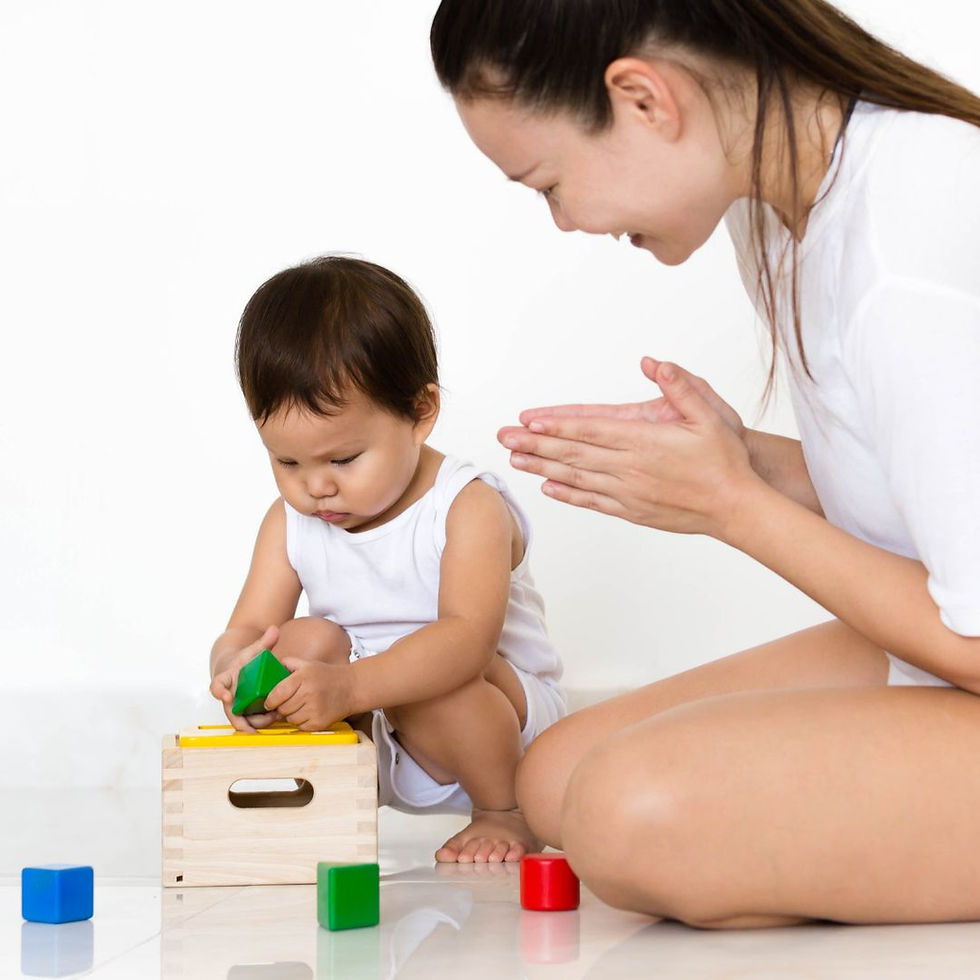
Change the position: Place the toy to one side to encourage reaching or looking. Think about where you are positioned too

Add support: Use a cushion for balance or reduce distractions

Simplify the activity: begin with fewer pieces, then add more as confidence grows
One toy, many ways to play
Play looks different for every child, and that’s a good thing. In a toy library, children are free to explore toys in ways that suit them.
Kathryn, Toy Library Coordinator at Windham Little Buddies Toy Library, shares these tips to help families adapt play:
Follow your child, not the rules
Instructions are just a guide!

If rolling dice is tricky, try tipping the dice from a cup instead – or skip it altogether.

If your child likes sorting, lining up, or simple designs, follow their lead.

If they’re not ready to build the train shown on the box, that’s okay. You might build straight tracks together or simply take turns passing pieces to each other.
Adjust the level of challenge
Make activities easier or harder to match your child’s current skills.

For example: Begin with larger shape sorter pieces that are easier to hold, then gradually introduce smaller or more varied shapes as confidence grows.
Follow your child’s interests
Let your child choose toys that capture their interest at the toy library, rather than focusing on age labels. Follow safety recommendations but remember that children often enjoy toys designed for different age groups. The best toy is the one that your child wants to play with. Many toys can be revisited and enjoyed in new ways as children grow.
Flexible play opens up possibilities
Remember, play doesn’t need to look a certain way to be meaningful. Every child has their own interests, strengths and way of joining in. Sometimes, a small change is all it takes to help a child feel more comfortable, confident and ready to play.
Toy libraries can make this easier by giving families the chance to explore a wide range of toys without pressure. If a toy isn’t the right fit, that’s okay - you can simply try something different that better matches your child’s interests and abilities right now.
By staying flexible, we create opportunities for children to play in ways that work for them, exploring and developing skills at their own pace and experiencing the joy of success.
Most importantly, flexible play helps children feel capable, included and valued – because there is no one “right” way to play, learn and grow.
Resource contributor
This resource was developed in collaboration with:
Kerry Dominish, Speech Pathologist and EarlyEd CEO
Kathryn, Toy Library Coordinator at Wyndham's Little Buddies Toy Library.
Learn more about EarlyEd and Little Buddies toy library here:

Further reading and resources
EarlyEd
Help your child learn through play: Making adjustments
Helping babies and toddlers learn to play and engage: Ring stackers positions and ways to play
Nicole Kids Physio
Instagram video: How to play with a pop-up toy (one toy so many positions)
Raising Children Network
Letting your child lead play: activities for children 0-6 years


